Local training – Thessaloniki
Fight Fake News Local Training – Thessaloniki Greece
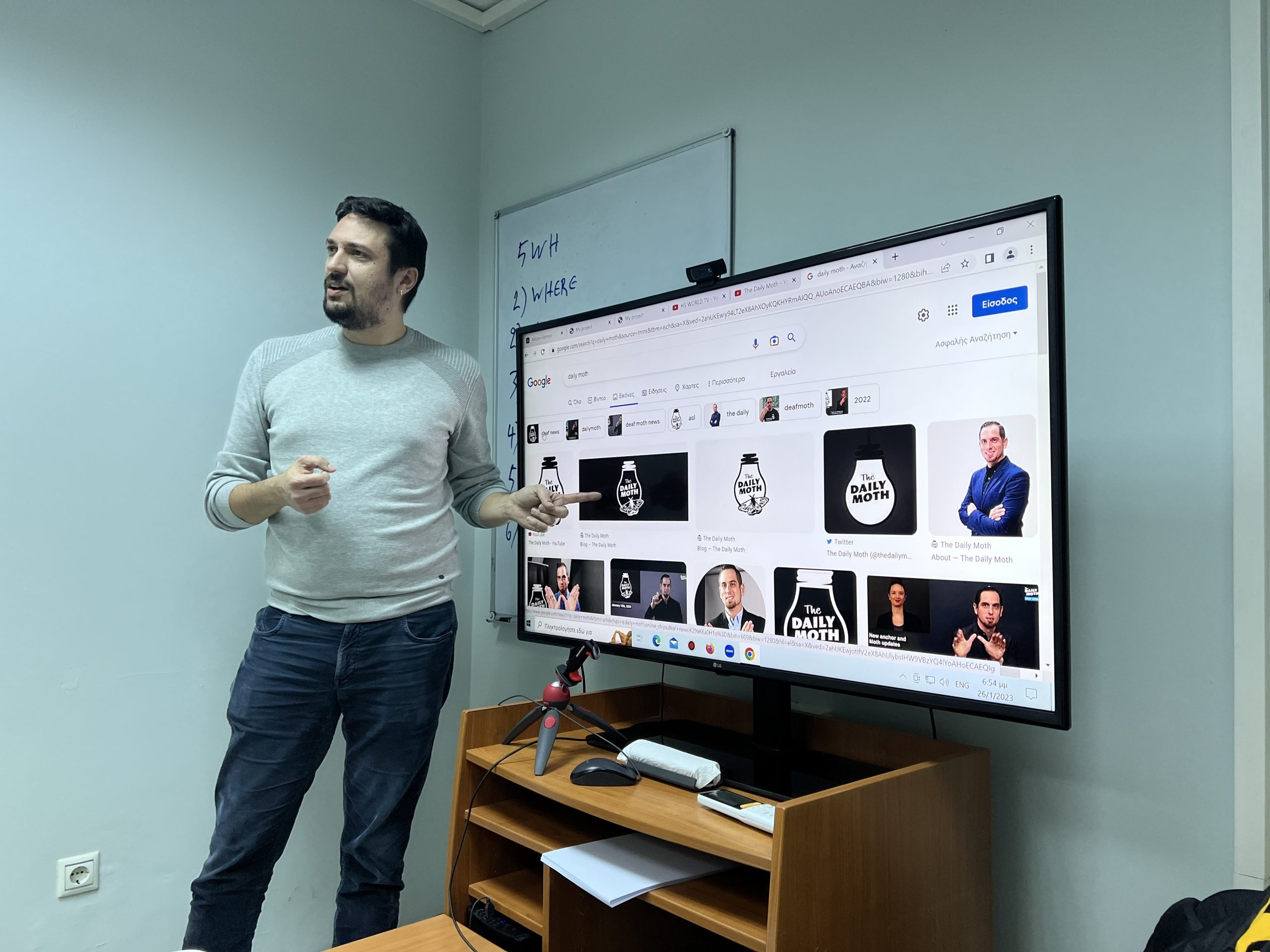
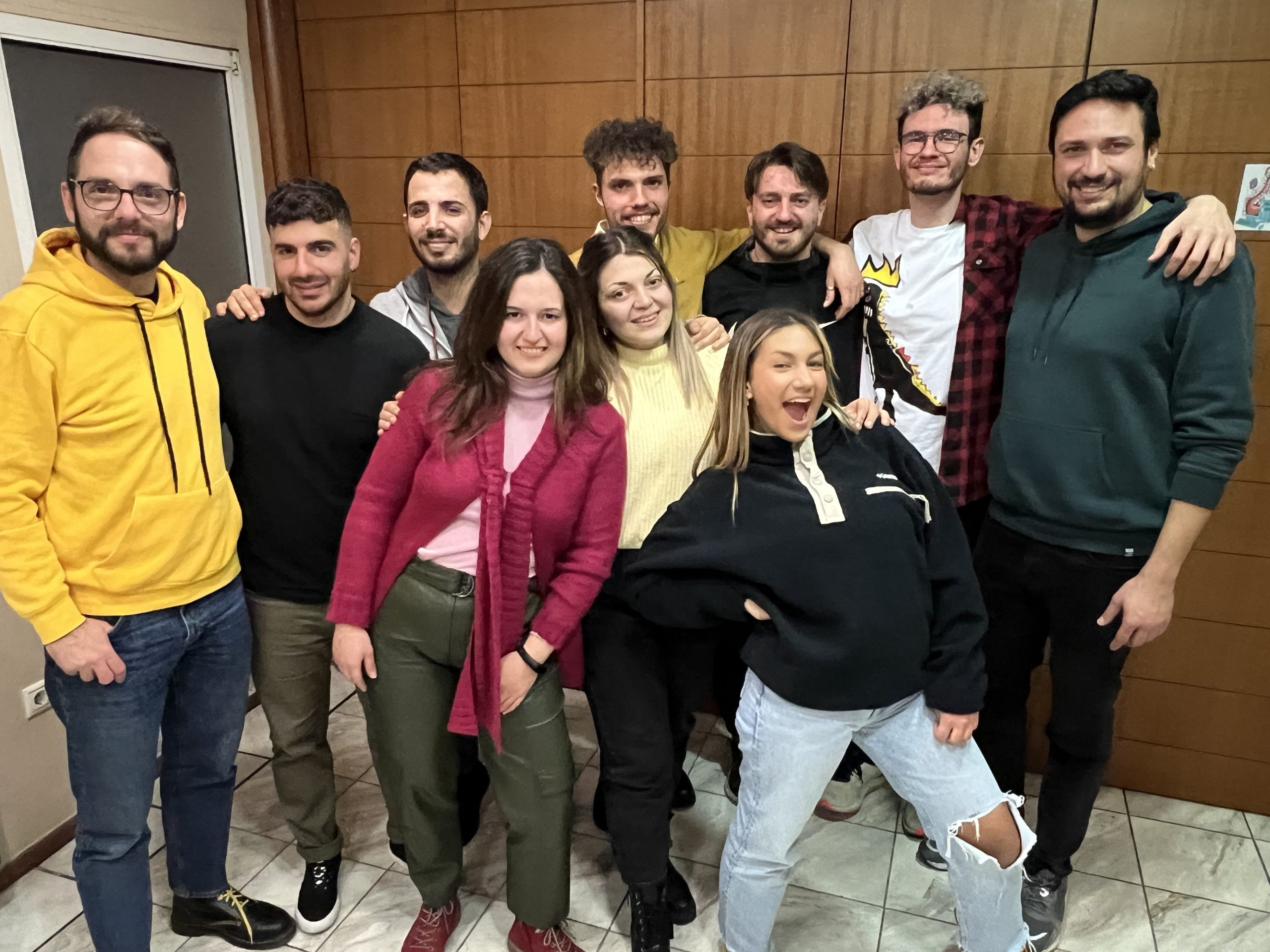
To carry out the second activity of the “Fight Fake News – Preserve Mental Health” project, the Centre of Greek Sign Language organized a local 4-day media literacy project. Ten Deaf young people, two youth workers, and a trainer attended the activity, focusing on recognizing fake news, understanding the factors contributing to their spread, and exploring their impact on mental health.
The activity was structured as a 4-day training program:
- Day 1: Team-building activities and program introduction.
- Day 2: Discussion and analysis of stereotypes, prejudices, and discrimination cases that young people have experienced or witnessed in their daily lives.
- Day 3: Examination of real-life examples of fake news, training in recognizing and verifying fake news, and discussion.
- Day 4: Workshops featuring recent historical and current examples of fake news, a focus group session on the topic, and program conclusions.
Conclusions reached by the participants of the training:
The participants noted a significant increase in the frequency of fake news, particularly in the following common topics:
- Politics: Political parties and their affiliated media outlets often intentionally misrepresent their opponents’ statements, actions, and beliefs, especially during election periods.
- Showbiz: Media organizations, in their quest to attract more visitors and boost sales, frequently publish false information about celebrities, such as singers, actors, and reality TV stars.
- Sports: Similar to showbiz, sports news is often marred by misinformation, with fake news related to player transfers, comments, and events in locker rooms being used to increase sales and viewership.
- Migration: Individuals and groups with negative opinions about immigrants and refugees tend to exaggerate events involving these groups. They actively participate in misinformation campaigns, which frequently lead to the spread of fake news. These campaigns also commonly feature false information about religions.
The primary source of fake news is social media due to the lack of stringent control over what can be posted, resulting in a high volume of intentionally or mistakenly false information. TV news and shows have also been found to lack rigorous fact-checking and ethical standards when it comes to disseminating information that aligns with their views.
Internet news portals exhibit even lower moral and professional standards than TV shows. They enjoy nearly absolute freedom to publish content and operate in a highly competitive environment where maintaining a large audience is crucial for their viability.
Press media, such as magazines and newspapers, do not tend to be a significant source of fake news, as there is no widespread opinion about their involvement in spreading false information.
The most crucial competency for protecting oneself from fake news stories is critical thinking. Individuals should consistently question news, verify their sources, and seek additional information to ensure the accuracy of the information.
This competence is developed through personal effort and a shift in one’s thinking approach. While basic concepts for evaluating news can be explained, ultimately, we need to transform our mindset and information consumption habits to effectively combat fake news.
Gallery