Local training – Zagreb
Fight Fake News Local Training – Zagreb Croatia
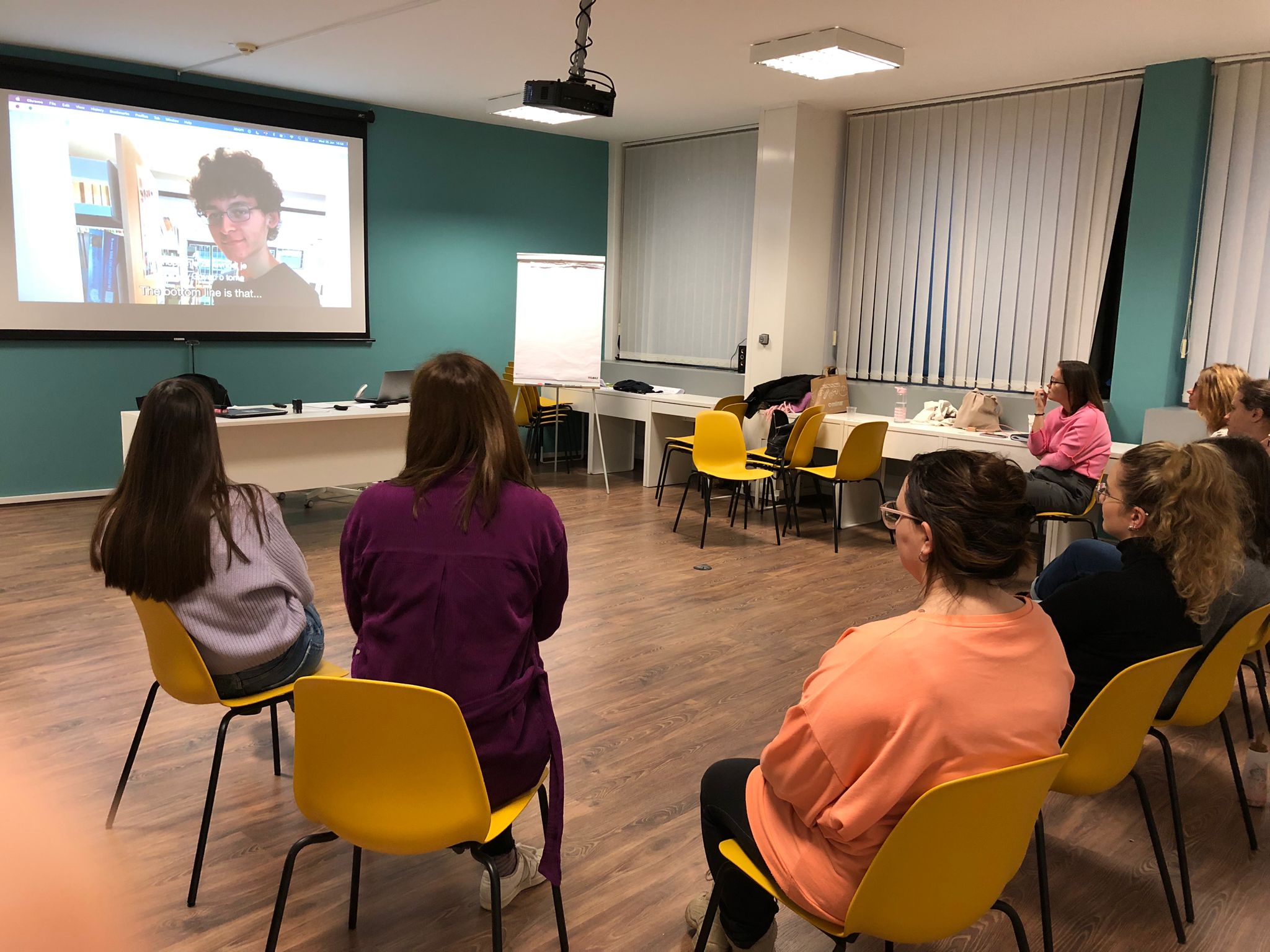
The local 4-day media literacy training is the second activity within the “Fight fake news – Preserve mental health” project, and the Videatur association conducted it in Zagreb from January 23rd to 26th, 2023. The training itself was attended by the trainer, 2 youth workers – employees of the association Videatur and 12 young people, deaf and hearing.
The aim of this training was to familiarize the participants with the functioning of modern media and the methods of analyzing the published content, and in this way to familiarize them with the ways of recognizing fake news and giving a constructive response to it. In this way, the participants directly increased their knowledge in the field of media literacy, and indirectly strengthened their critical thinking skills.
Conclusions reached by the participants of the training:
- Vulnerable Groups: Older people who are not computer literate and young people who haven’t developed critical thinking skills are most vulnerable to the negative impact of fake news. Young people with weaker mental health are also at risk.
- Age Polarization: Young people tend to trust the internet more than “old media” like radio and television, while the opposite is true for the elderly.
- Influence of Parents: Young people often adopt the attitudes of their parents without seeking additional information on issues.
- Susceptibility to Fake News: People are susceptible to believing fake news, especially in crisis and panic situations, but higher education can reduce this susceptibility.
- Impact of Fake News: Fake news can lead to confusion, panic, dissatisfaction with society, changes in opinions, polarization, and social divisions. It is often used to divert attention from more important issues.
- Self-Reflection: Participants acknowledge low media literacy levels, trust in established portals, and susceptibility to fake news when shared by trusted individuals, especially during crises.
- Emotional Impact: Fake news contributes to fear and insecurity, particularly in the context of recent global events. It has also led to the creation and reinforcement of prejudices and stereotypes.
- Topics and Sources: Fake news is commonly associated with politically current topics, crisis situations, and show business news. It frequently appears on social networks and in specialized magazines that rely on product promotion.
- Believability Factors: Fake news stories are more believable when they include photos, statements from influential people, a compelling backstory, and target the audience’s emotions.
- Recognizing Fake News: To identify fake news, assertiveness, knowledge of media literacy, and information-checking methods are essential.
- Education and Critical Thinking: The problem of fake news is growing because formal education does not emphasize critical thinking, and parents often impose certain values and attitudes. The acquisition of critical thinking skills and competences should be promoted by teachers and non-formal education programs.
Gallery